
Loading... Please wait...

Our Newsletter


RSS Featured Products


Manuka Honey - Manuka Natural

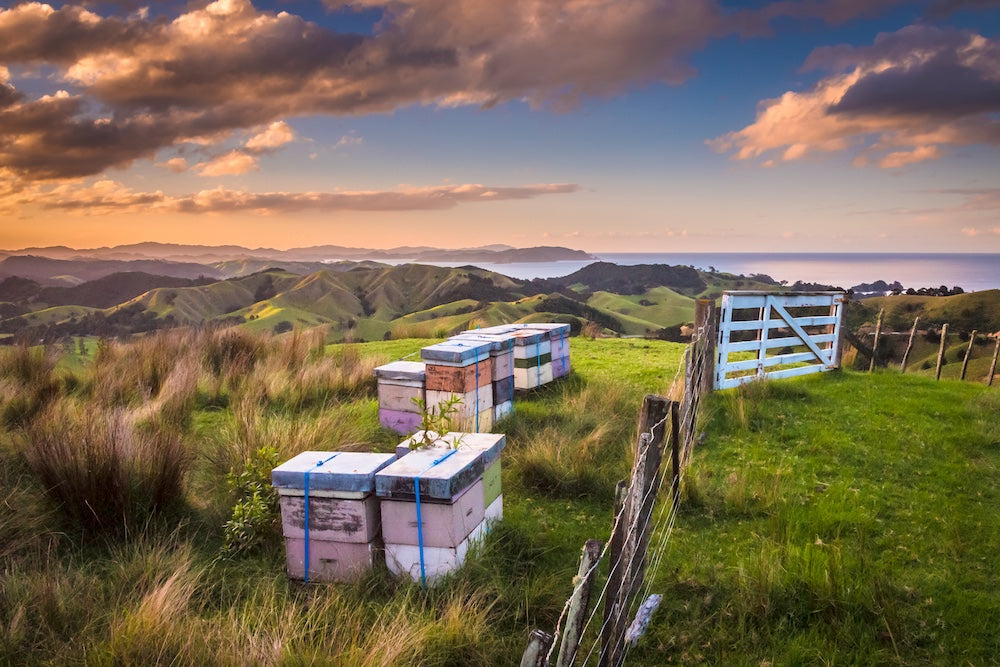
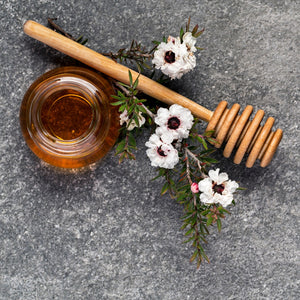
The demand for New Zealand Honey has been increasing around the world for many years, due to the unique health giving and healing properties of Manuka honey which has attracted most attention.

In recent years New Zealand Manuka honey has become recognized as a very important treatment option in the fight against bacterial infection including MRSA (Methicillin Resistant Staphylococcus aureus) because of its powerful antimicrobial properties.

Honey an ancient remedynew zealand honey

For over two thousand years certain types of honey were known to possess healing properties, but with the advent of penicillin the healing properties of honey were largely forgotten – until certain strains of bacteria began to develop resistance to antibiotics.

About 30 years ago Dr. Peter Molan, Associate Professor of Biochemistry at the University of Waikato in New Zealand decided to test honey samples from a range of floral sources throughout the country to see if any New Zealand honey could provide a solution.

He discovered that honey from the Manuka (leptospermum Scoparium) plant species had powerful antimicrobial properties not present in any other honey in New Zealand or anywhere in the world. What was even more exciting was that the so-called superbug MRSA was not resistant to honey collected from Manuka flowers.

Honey from many different plants contain the enzyme glucose oxidase which, in the presence of oxygen produces hydrogen peroxide. Hydrogen peroxide is antibacterial in contact with body tissue or serum.

Unique Manuka Factor (UMF)

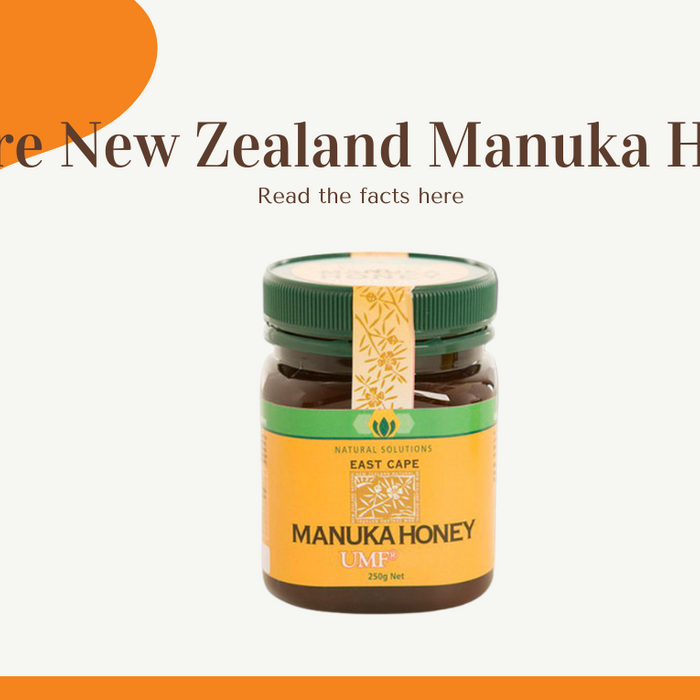
However, Manuka UMF honey contains antibacterial properties additional to the enzyme glucose oxidase. This second factor is called the “Unique Manuka Factor”.

Further studies concentrated on testing Manuka honey from different locations around New Zealand revealed that there was quite a variation in levels of UMF around the county.

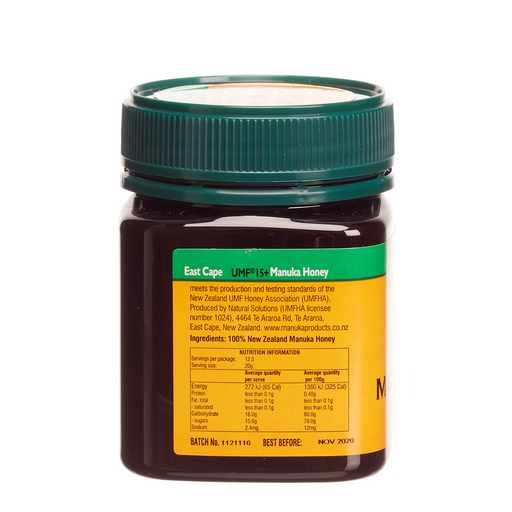
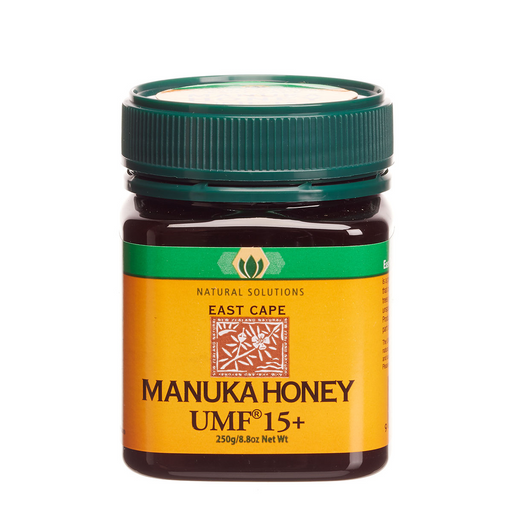
Generally, the most potent UMF honey in New Zealand comes from the East Cape region where the Manuka plants are the dominant nectar source available to the honey bees and where the plants contain high levels of triketone compounds in the essential oil.

Dr. Molan then developed a testing regime to create a standard so the level of antimicrobial activity could be certified.

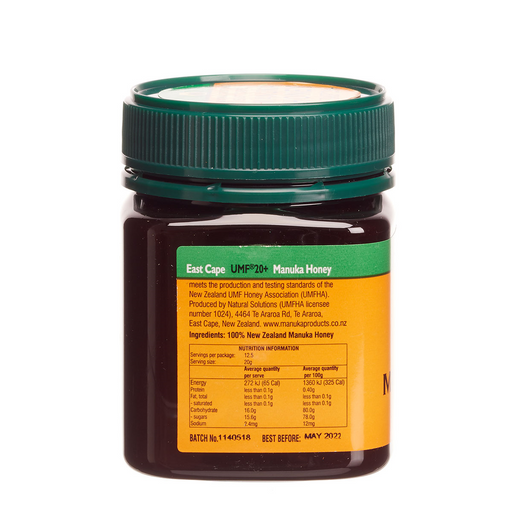
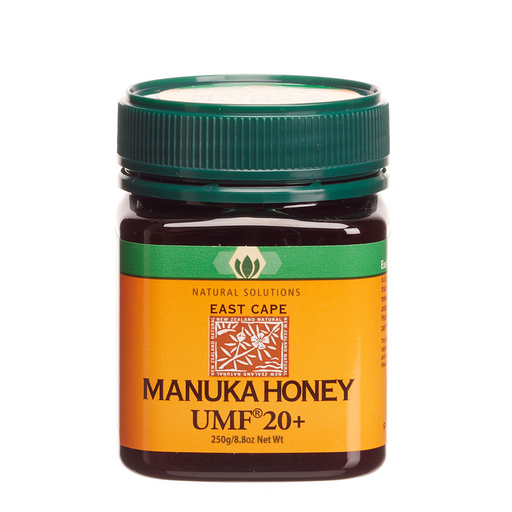
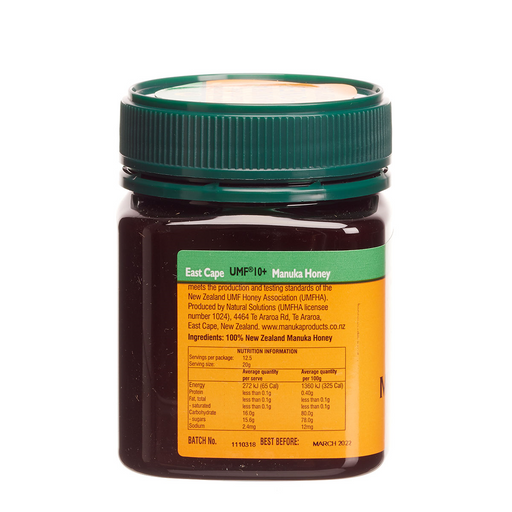
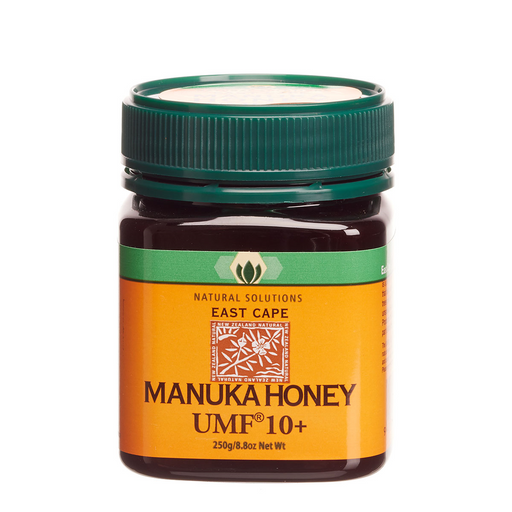
The UMF numbers; UMF 20+, UMF15+, UMF 10+, etc. come from a standard laboratory test of anti-bacterial activity, where the honey sample is compared with a standard antiseptic for potency. Honey with a UMF certification of 10+ would be equivalent to a 10% solution of phenol, honey with a rating of UMF15+ would have a potency equivalent to a 15% solution of phenol.

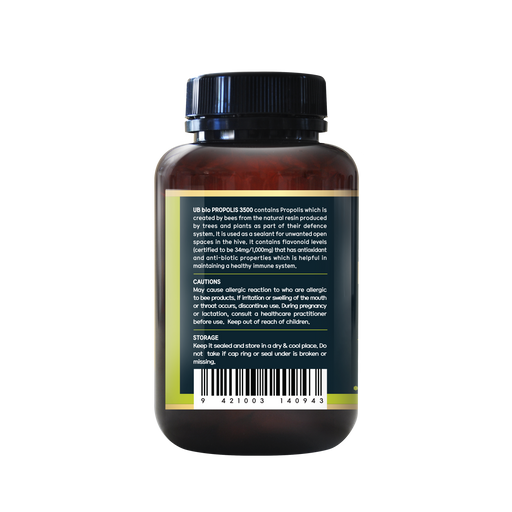
Manuka UMF honey has approx. double the effectiveness of other honey against Eschericihia coli and Staphylococcus aureus, the most common causes of infected wounds. It can be diluted more than 100 times and still halt the growth of bacteria. This is very important when taken internally as it means that it is still effective even when diluted by the intestinal fluids.

The proven antibacterial and antifungal properties of this honey have led to the development of natural products to treat internal and external conditions.
External Treatments

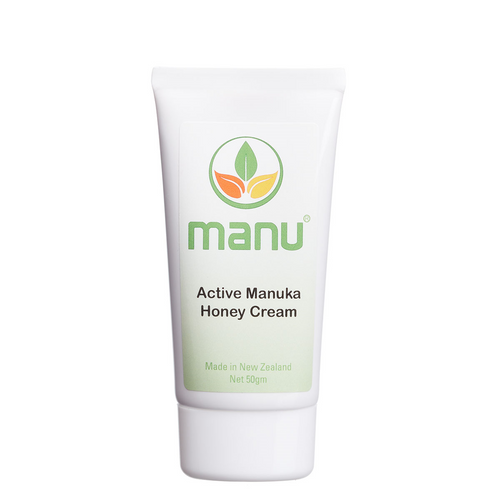
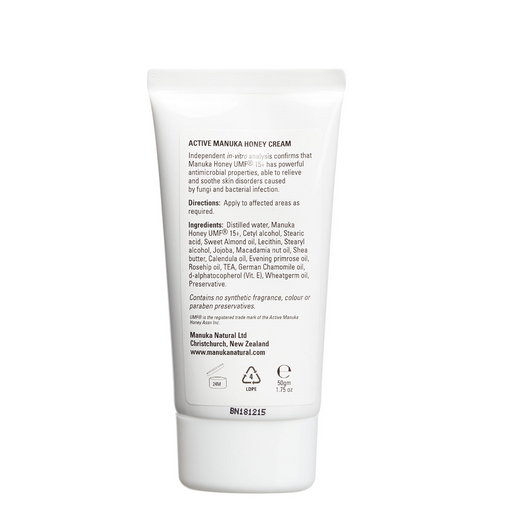
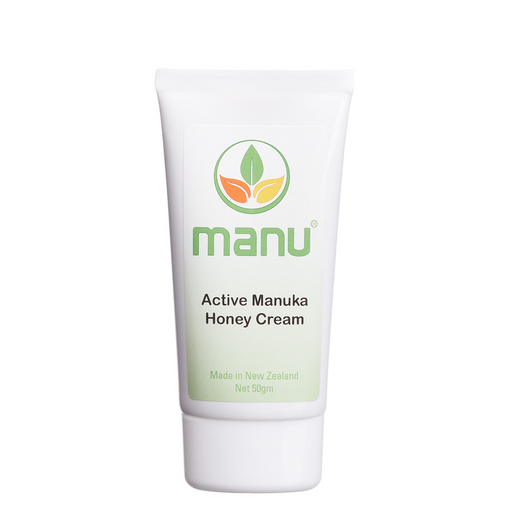
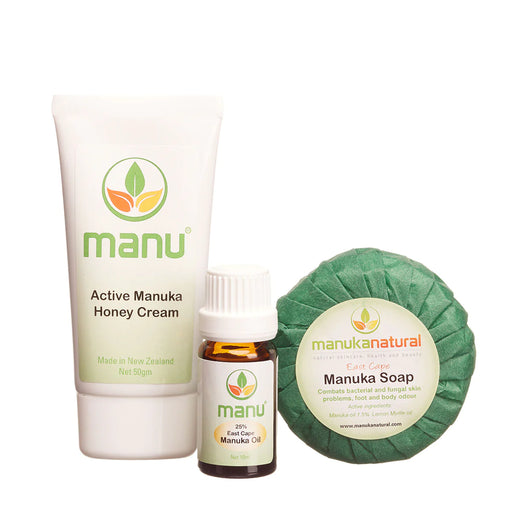
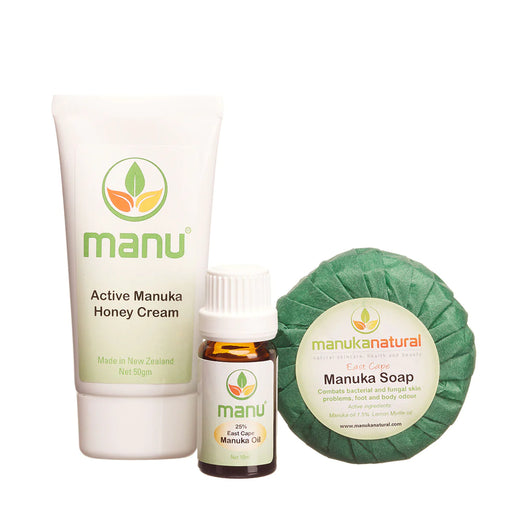
scabies treatmentAlmost every bacterial or fungal skin condition including acne, dermatitis, eczema, ringworm, rosacea, and wound healing can be treated successfully with Active Manuka honey.

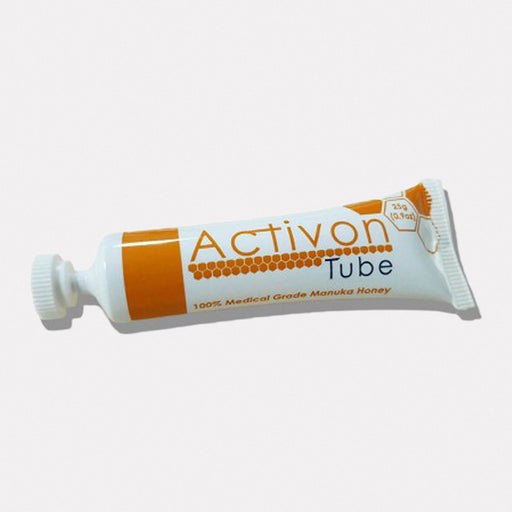
There is now extensive evidence proving that Manuka UMF honey can heal wounds that have not responded to conventional treatment. FDA Approved bandages impregnated with this honey have particular application in the treatment of burns, wounds and leg ulcers common in older people.

Beauty and Cosmetics

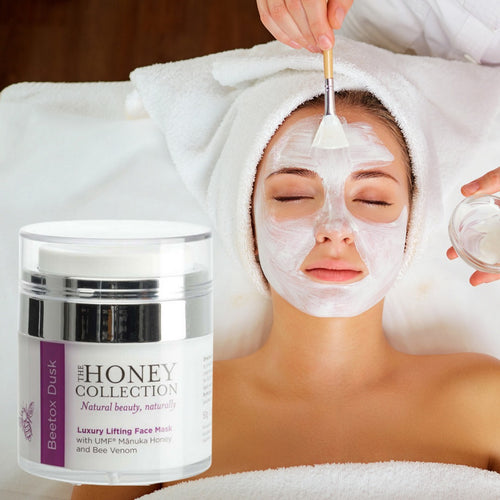
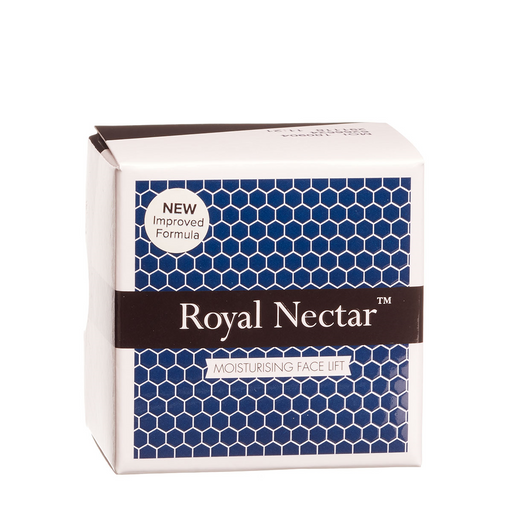
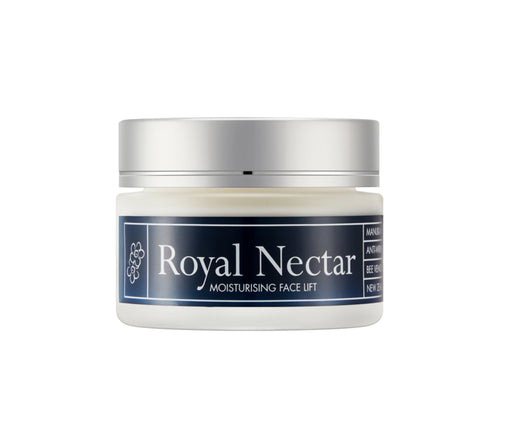
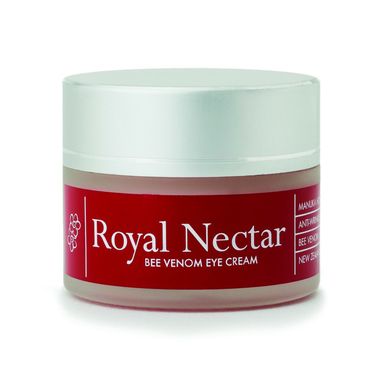
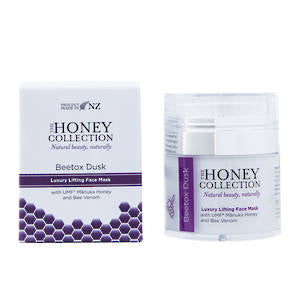
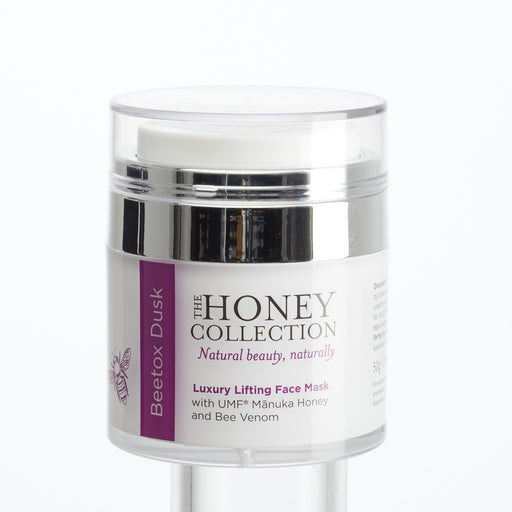
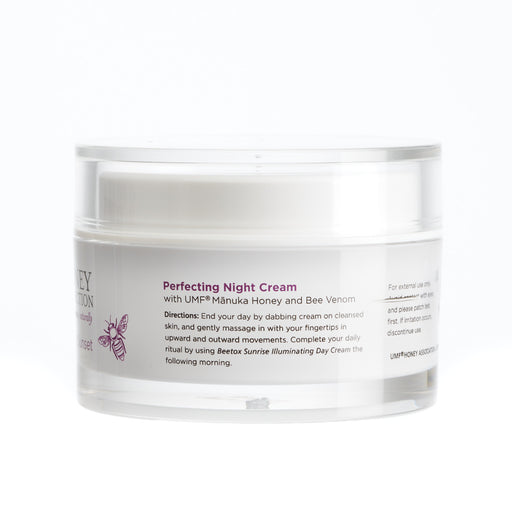
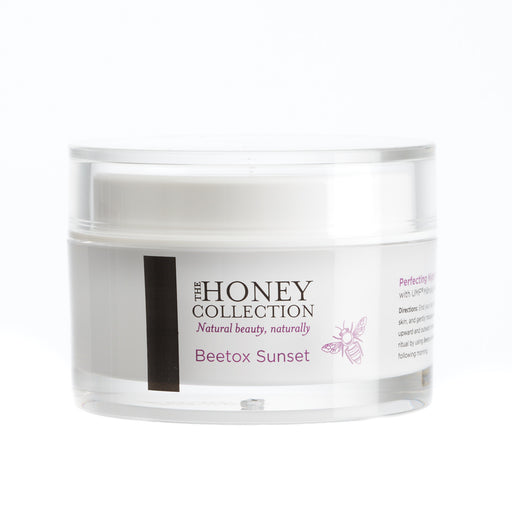
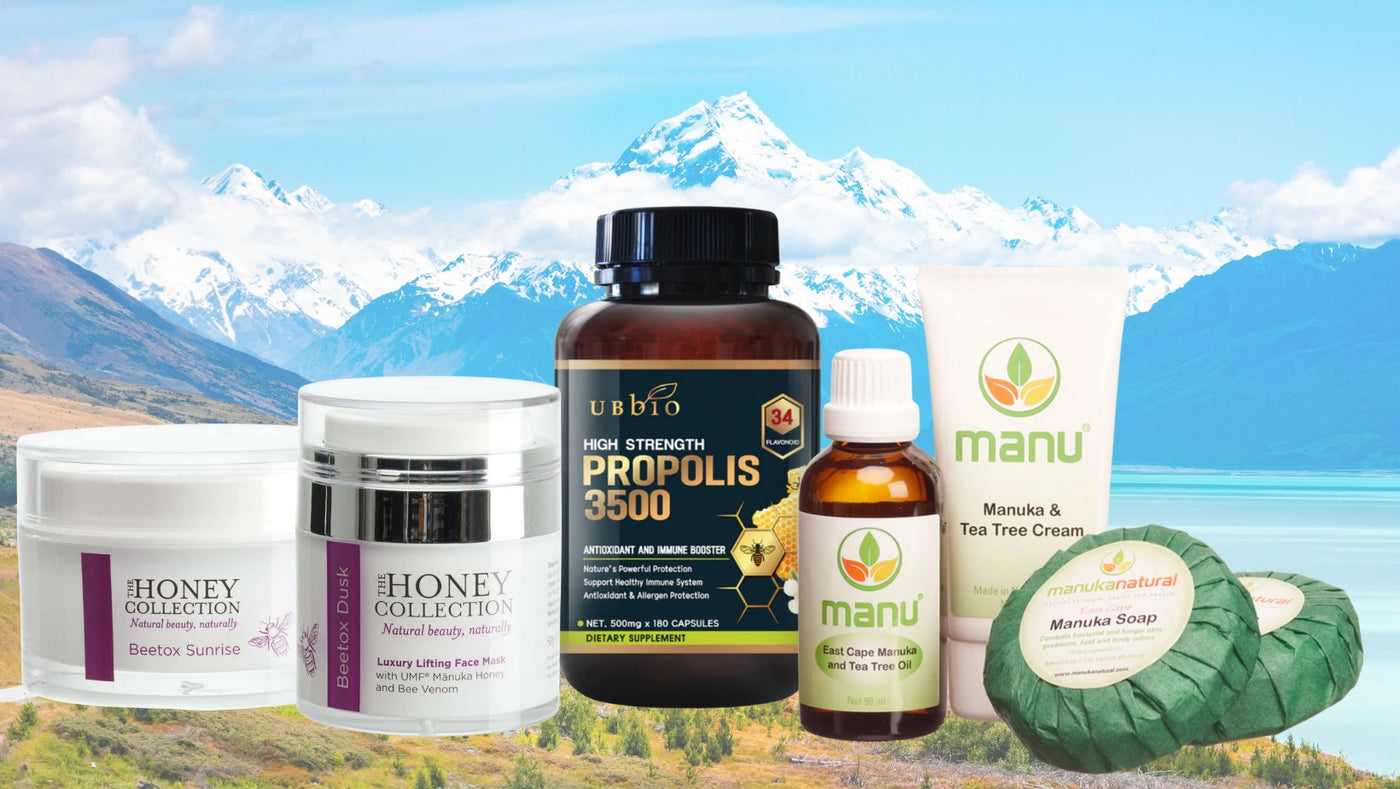
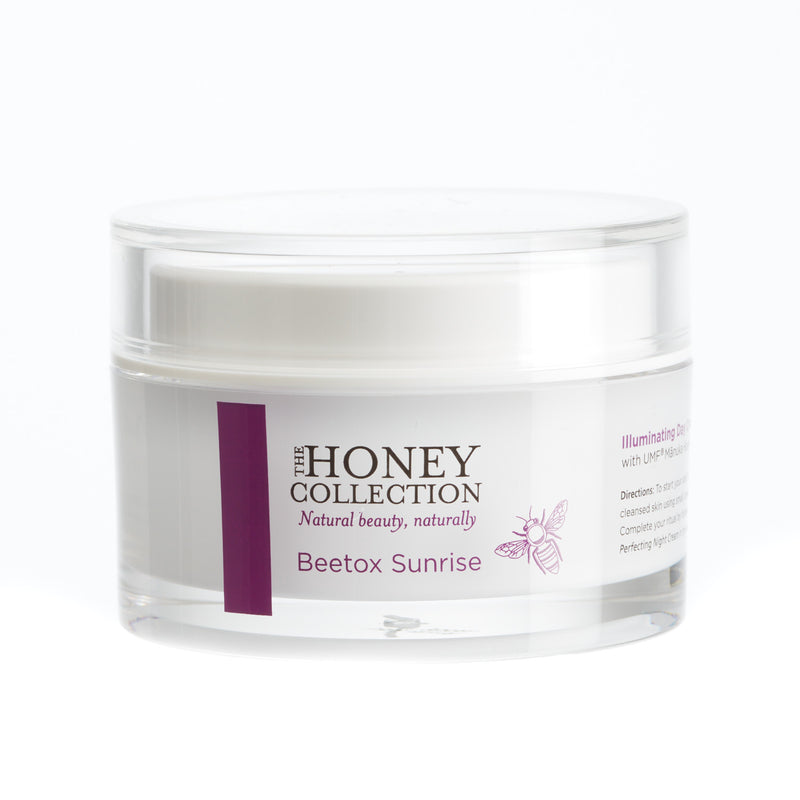
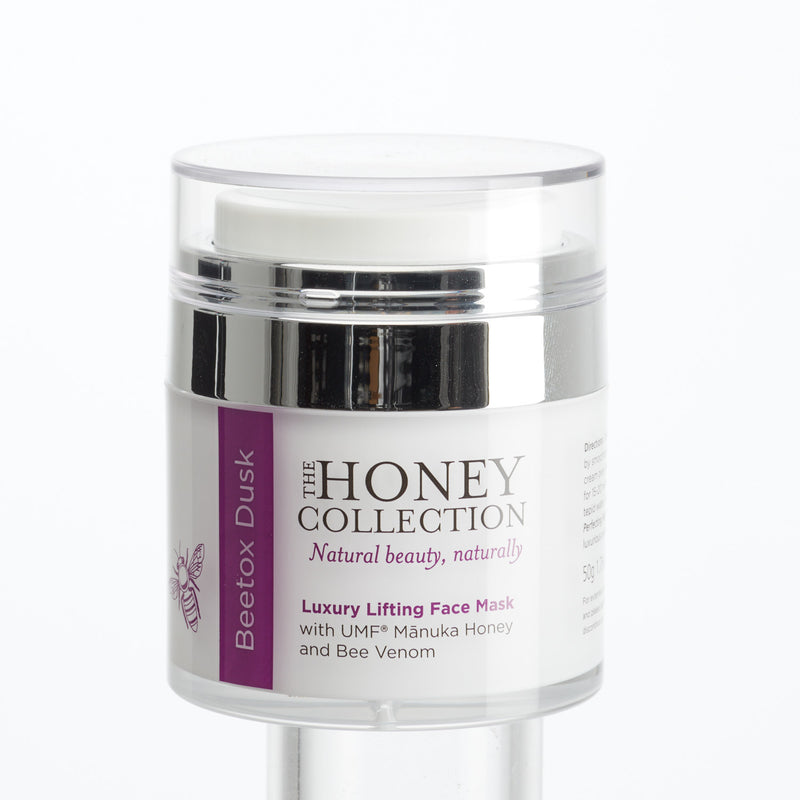
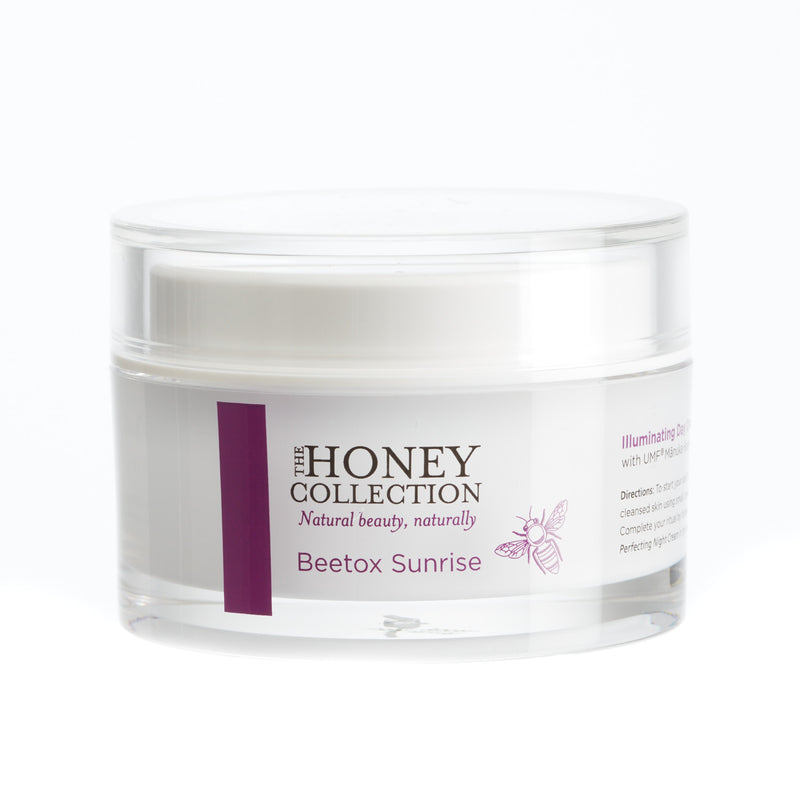
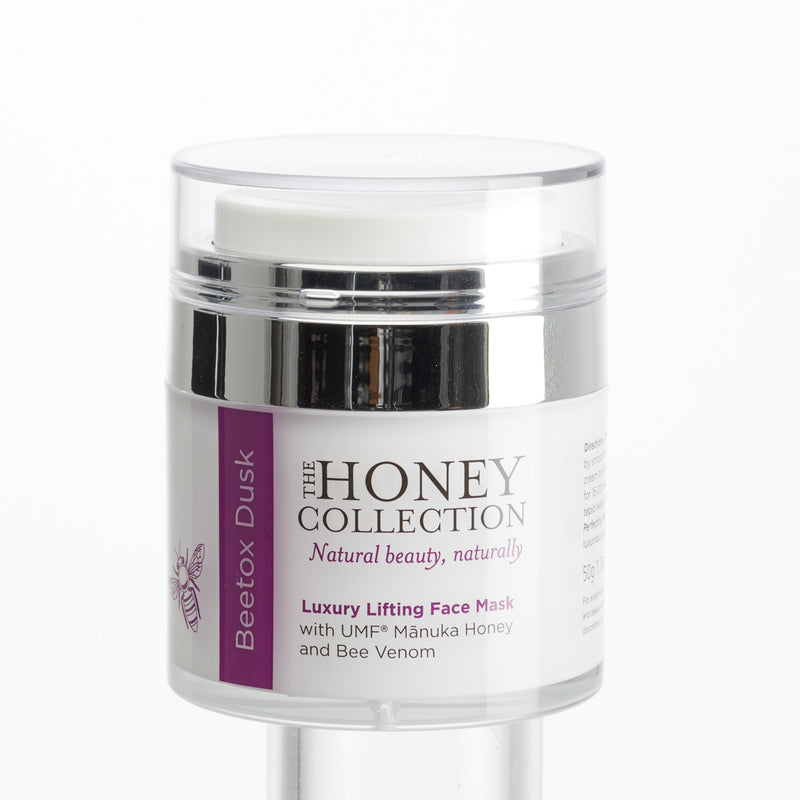
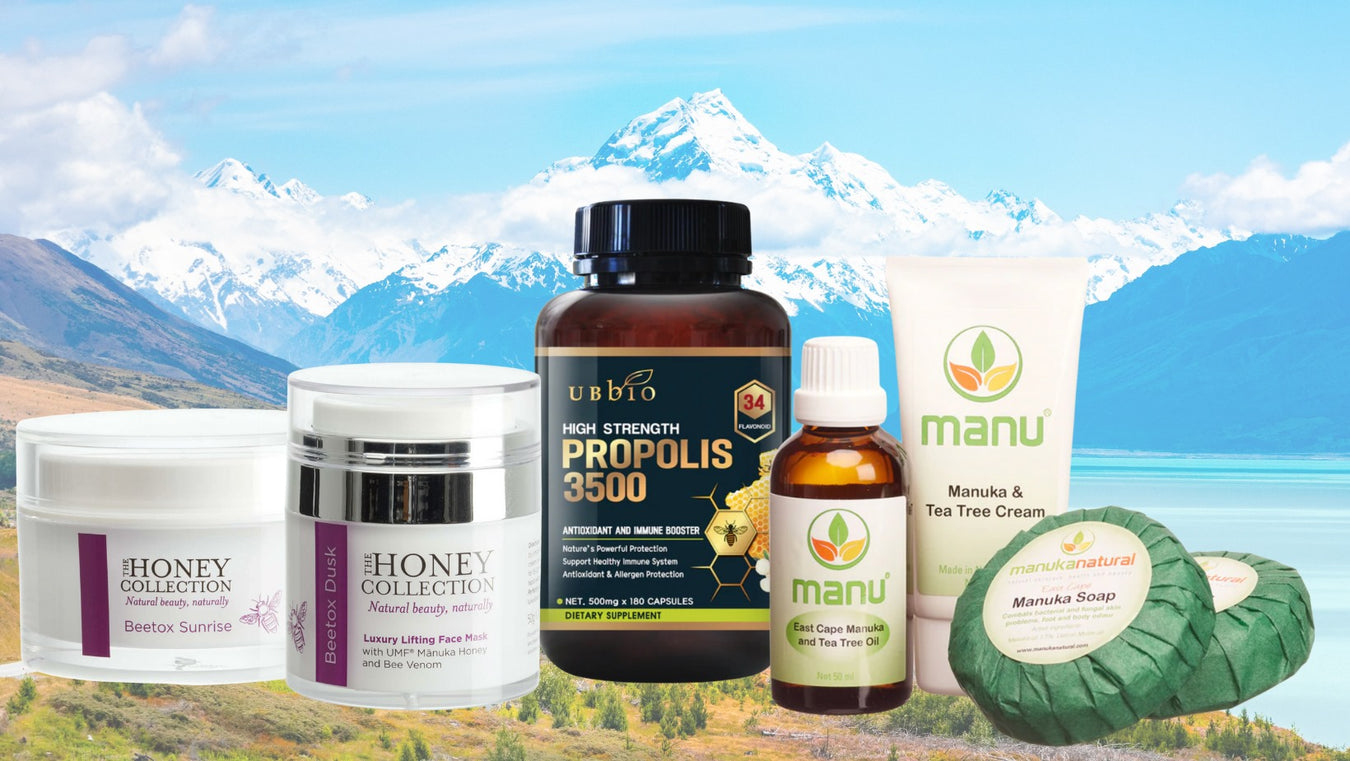
Manuka honey has also become the foundation of our natural beauty creams because of its hygrostatic moisture retaining properties, helping your skin to remain moist and fresh throughout the day. It is also an important ingredient in our new Bee Venom Mask and Bee Venom Moisturizer products, the exciting new natural anti-aging alternative to Botox. Referred to as natural botox or Beetox creams by some people these Bee Venom creams have received world-wide attention recently.

Internal Treatments

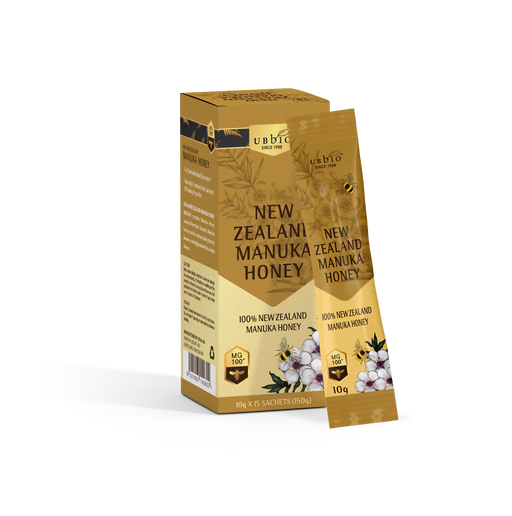
Active Manuka honey has been a standby in many New Zealand households for generations for a wide range of internal upsets and for general good health. It promotes intestinal health and is proven to control H. pylori, the bacteria responsible for peptic ulcers. It also helps with acid reflux or heartburn, gastritis, diarrhea and digestive problems.

It is also a great remedy for strep throats, mouth and gum ulcers and tonsillitis, recent studies have also shown that it will control plaque causing tooth decay.

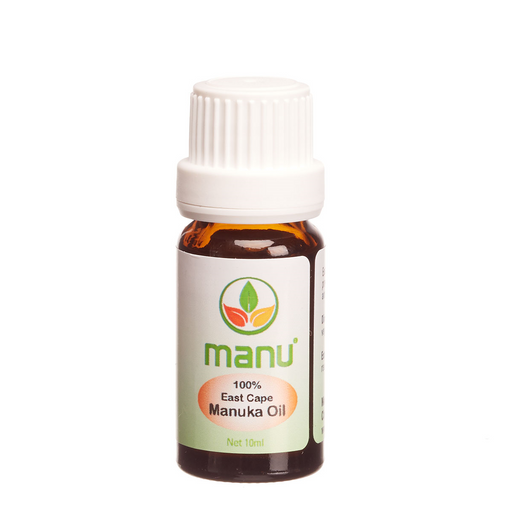
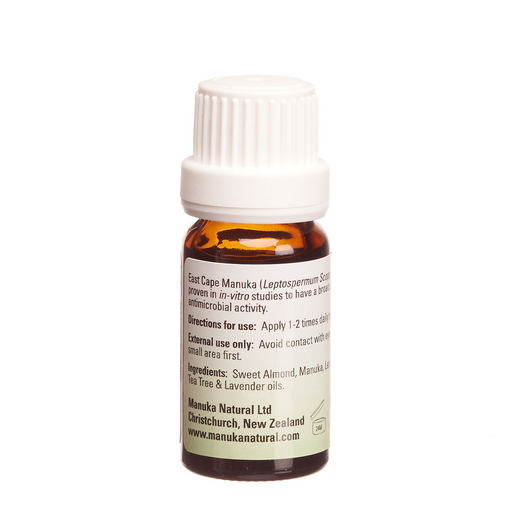
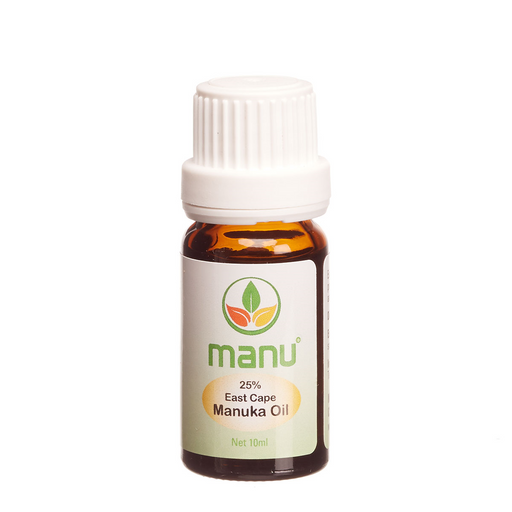
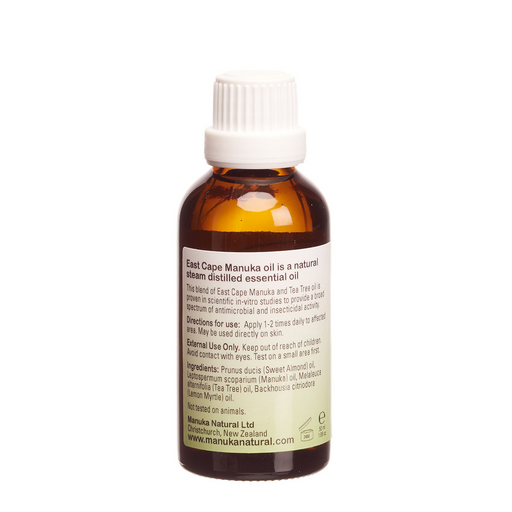
Manuka essential oil

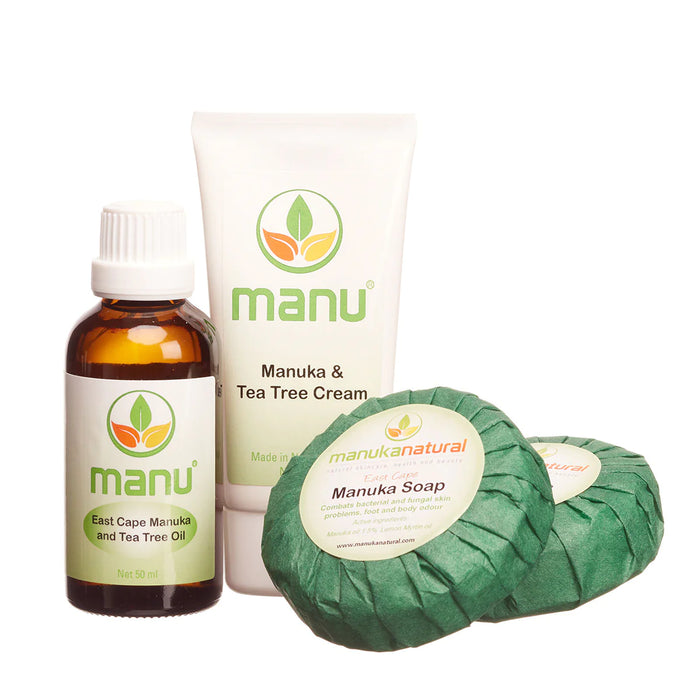
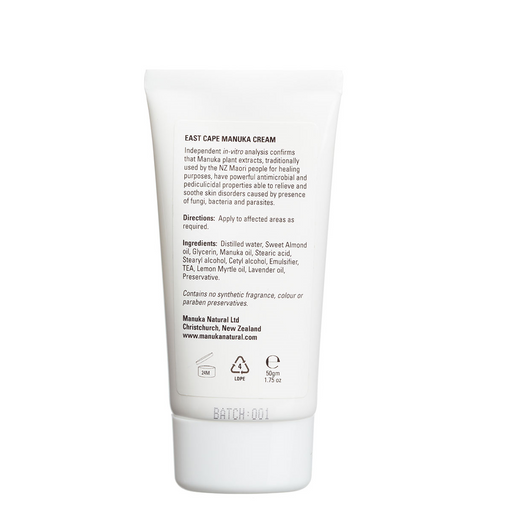
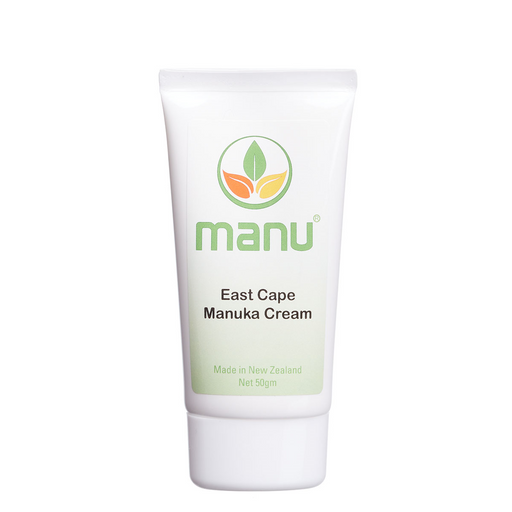
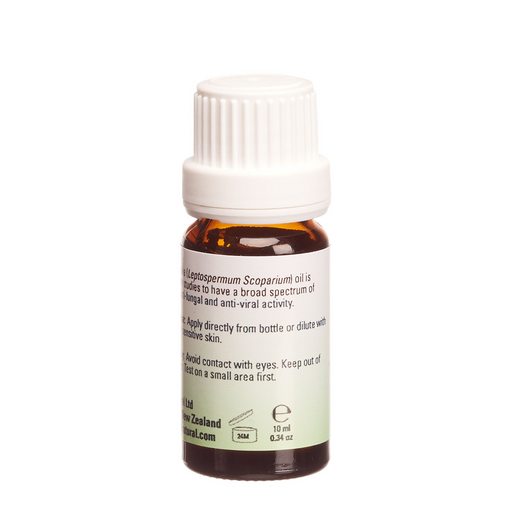
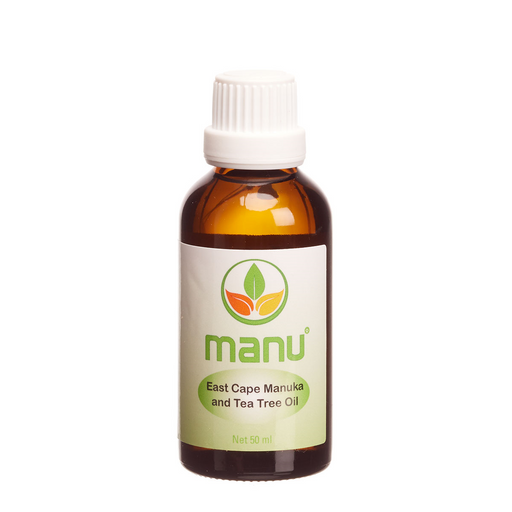
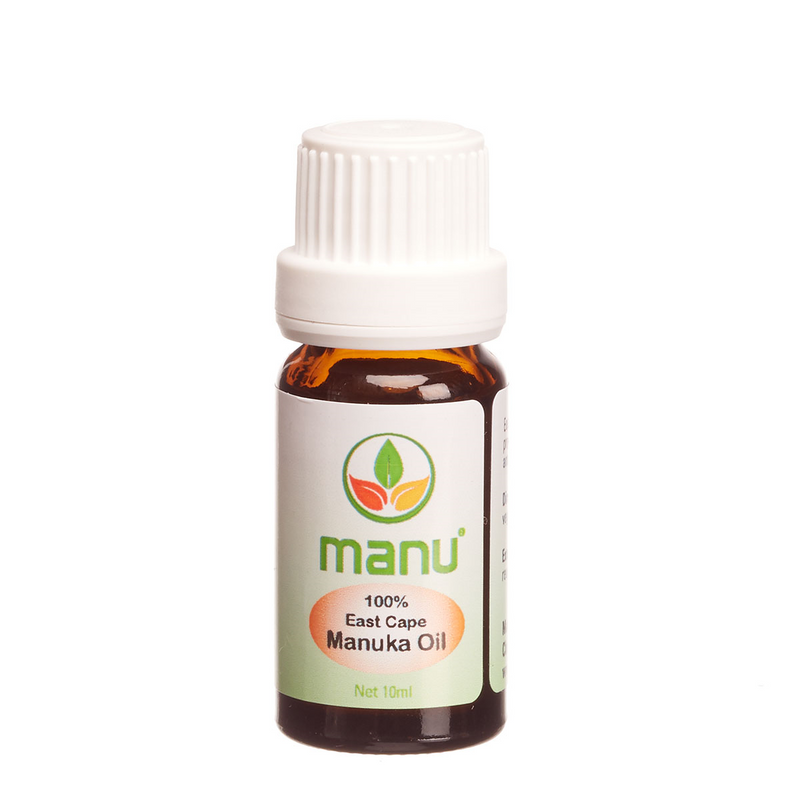
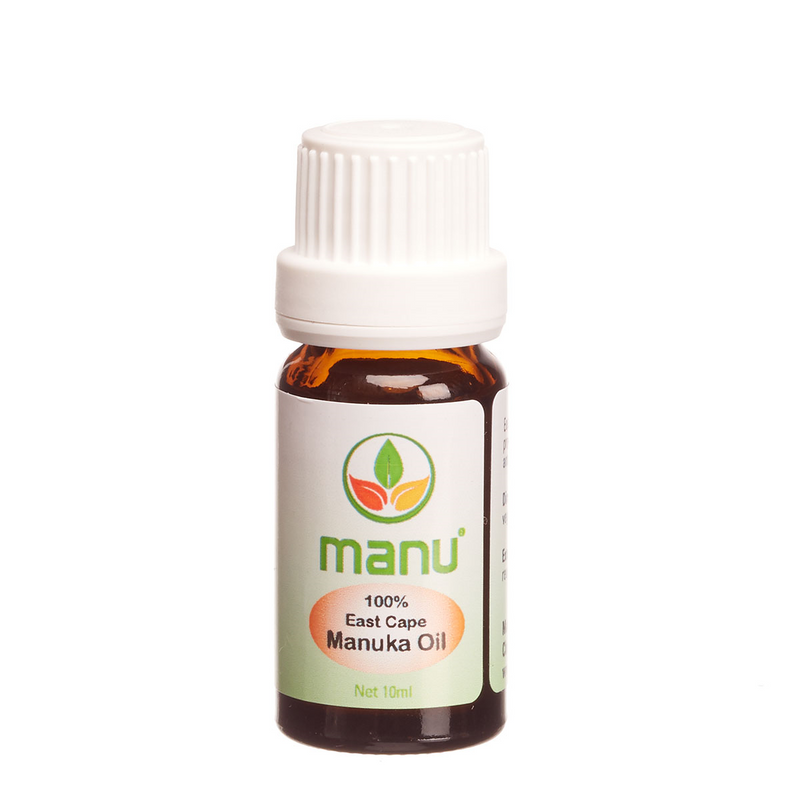
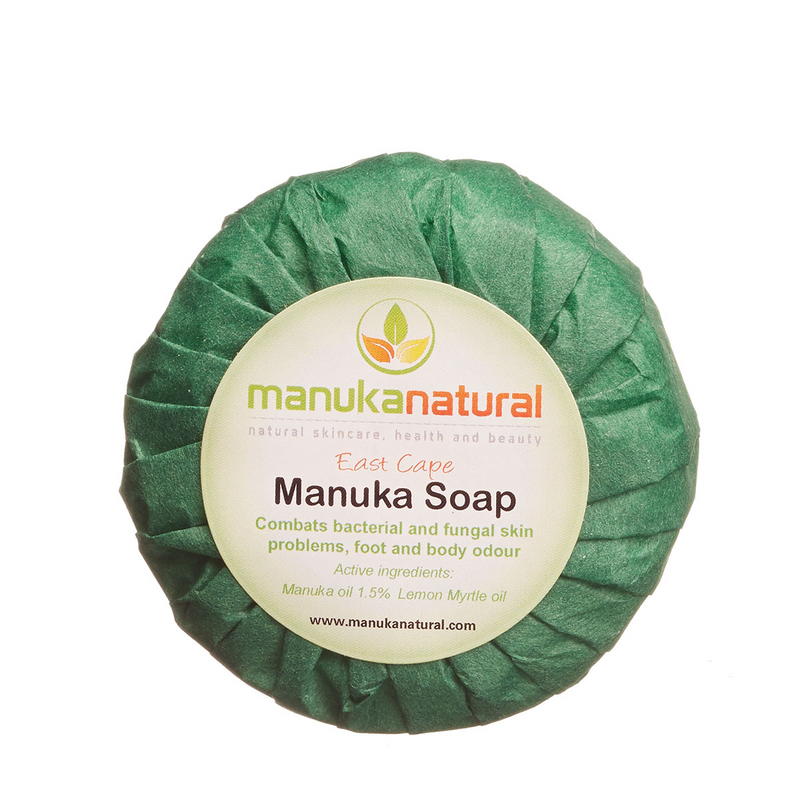
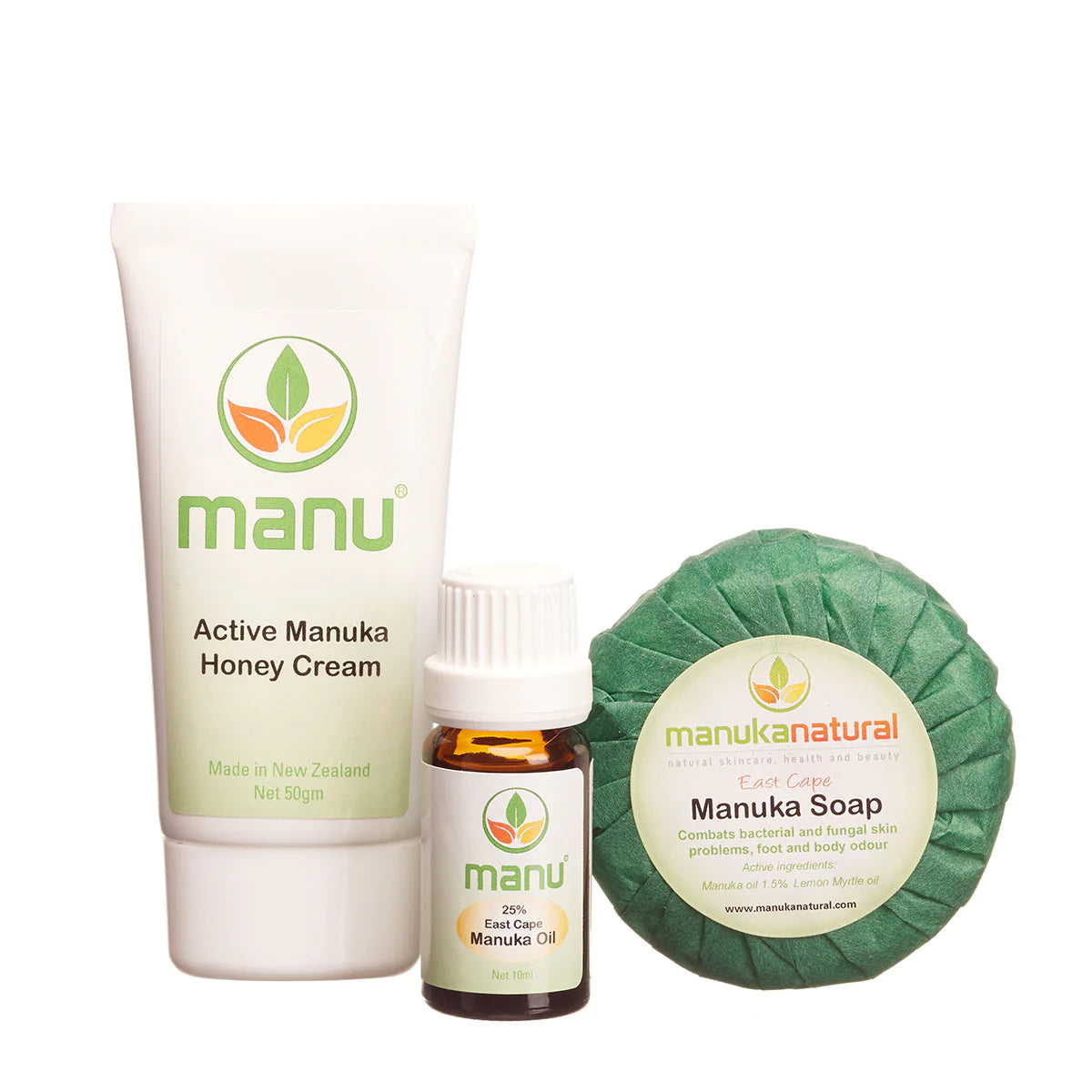
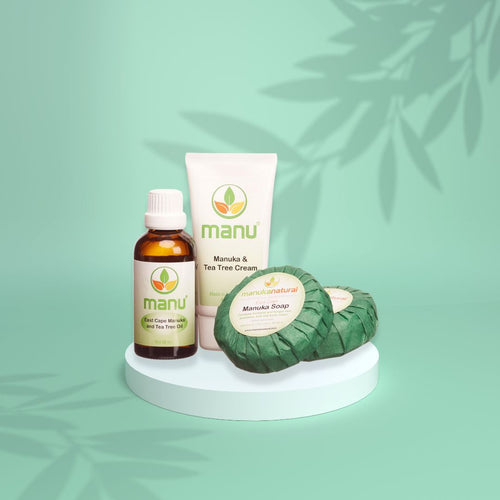
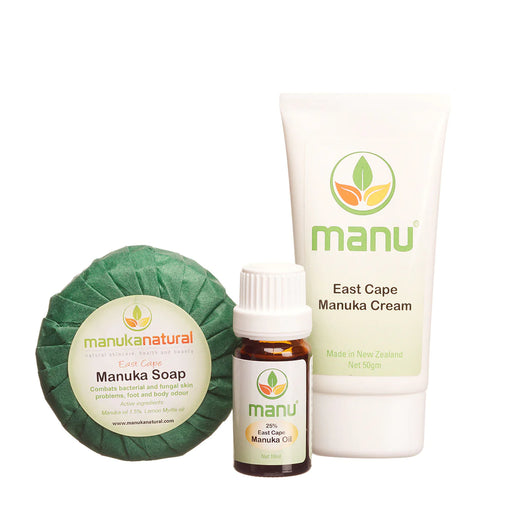
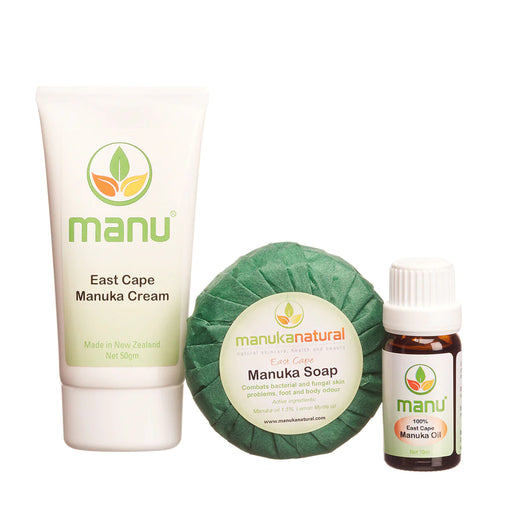
ringworm treatmentFirst recognised by the Maori people for its outstanding healing properties, essential oil from the East Cape region also has powerful antimicrobial activity due to high levels of triketone compounds, making it suitable for a wide range of natural skin care formulations for bacterial and fungal skin infections.
Skin infections including common yeast infections; candida albicans, fungal infections; athletes foot, ringworm, jock itch, seborrheic dermatitis and dandruff. Manuka essential oil also has anti-viral properties effective in treating herpes, cold sores, warts and verucas.

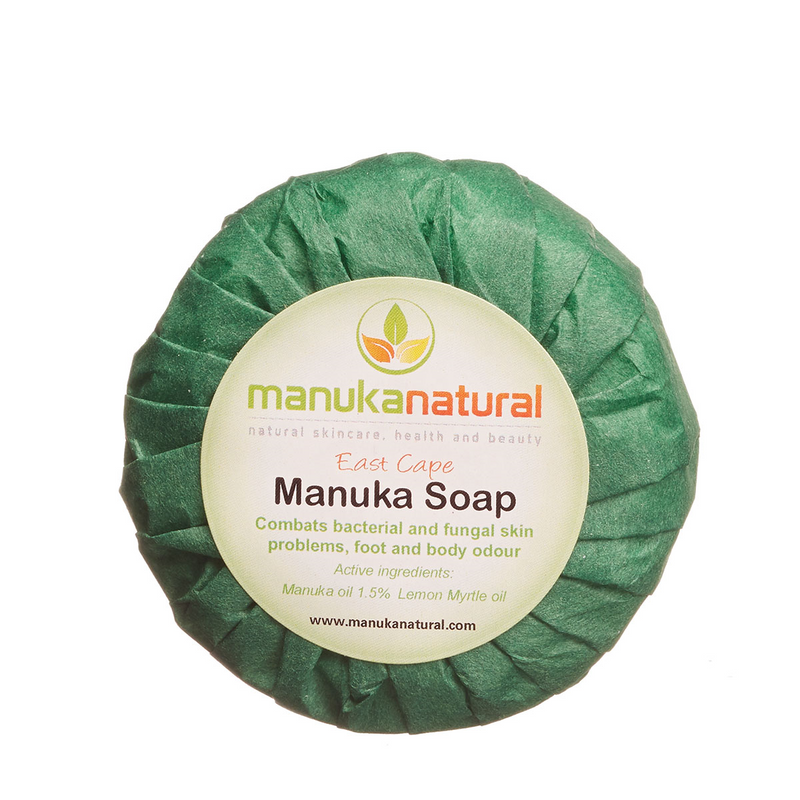
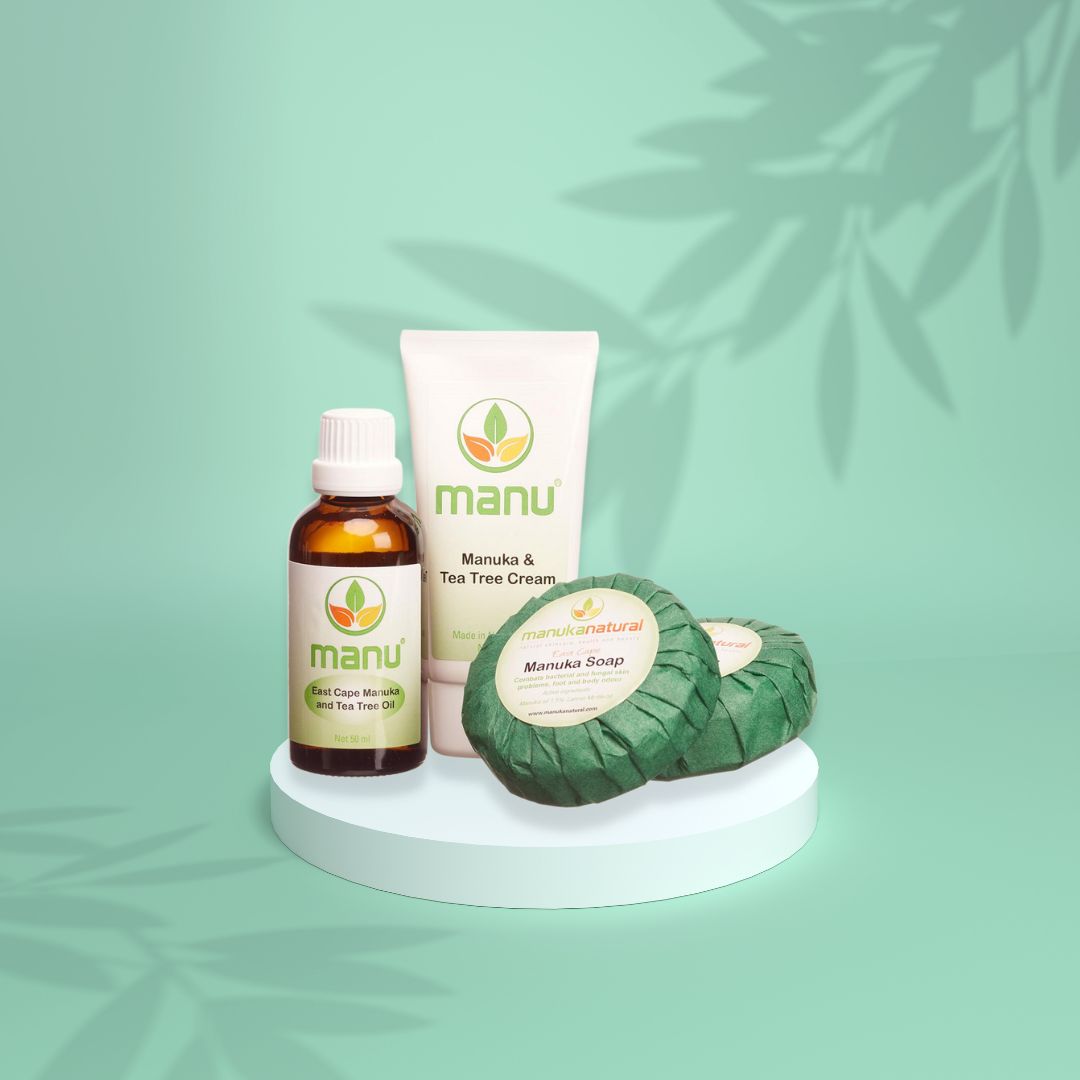
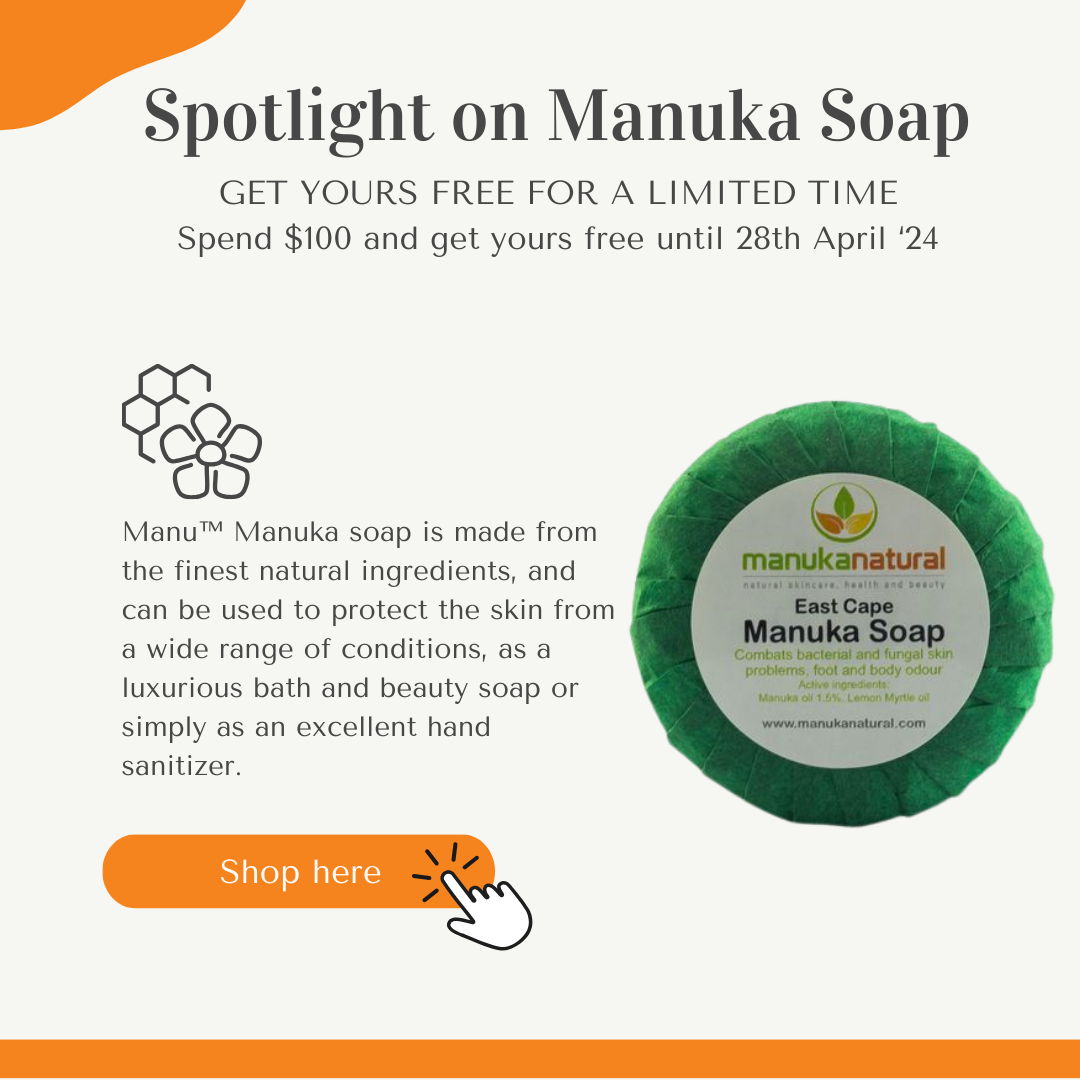
These antibacterial and antifungal properties make it ideal for the inclusion in soap, cream and lotion formulations for the natural treatment of foot and body odor, antiseptic soap and as support for creams and oils used to treat other bacterial and fungal infections.
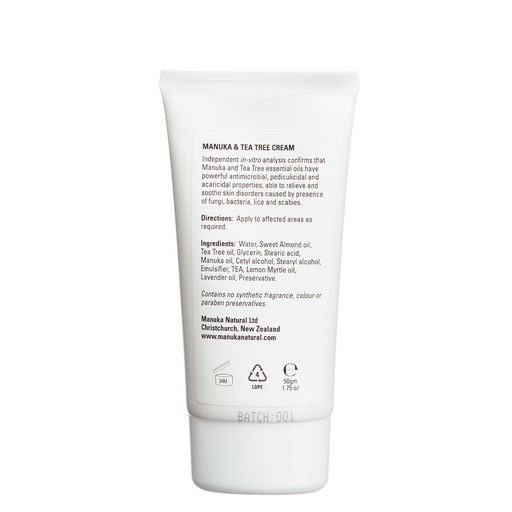
The essential oil has another great property, it repels insects; mosquitoes and head lice and forms an important part of formulations to treat scabies infestations in conjunction with tea tree oil.

Manuka plant extracts are playing a very important role in providing natural treatments for a wide range of skin and internal ailments. And it all began with New Zealand Manuka Honey, one of the world’s great natural remedies.